
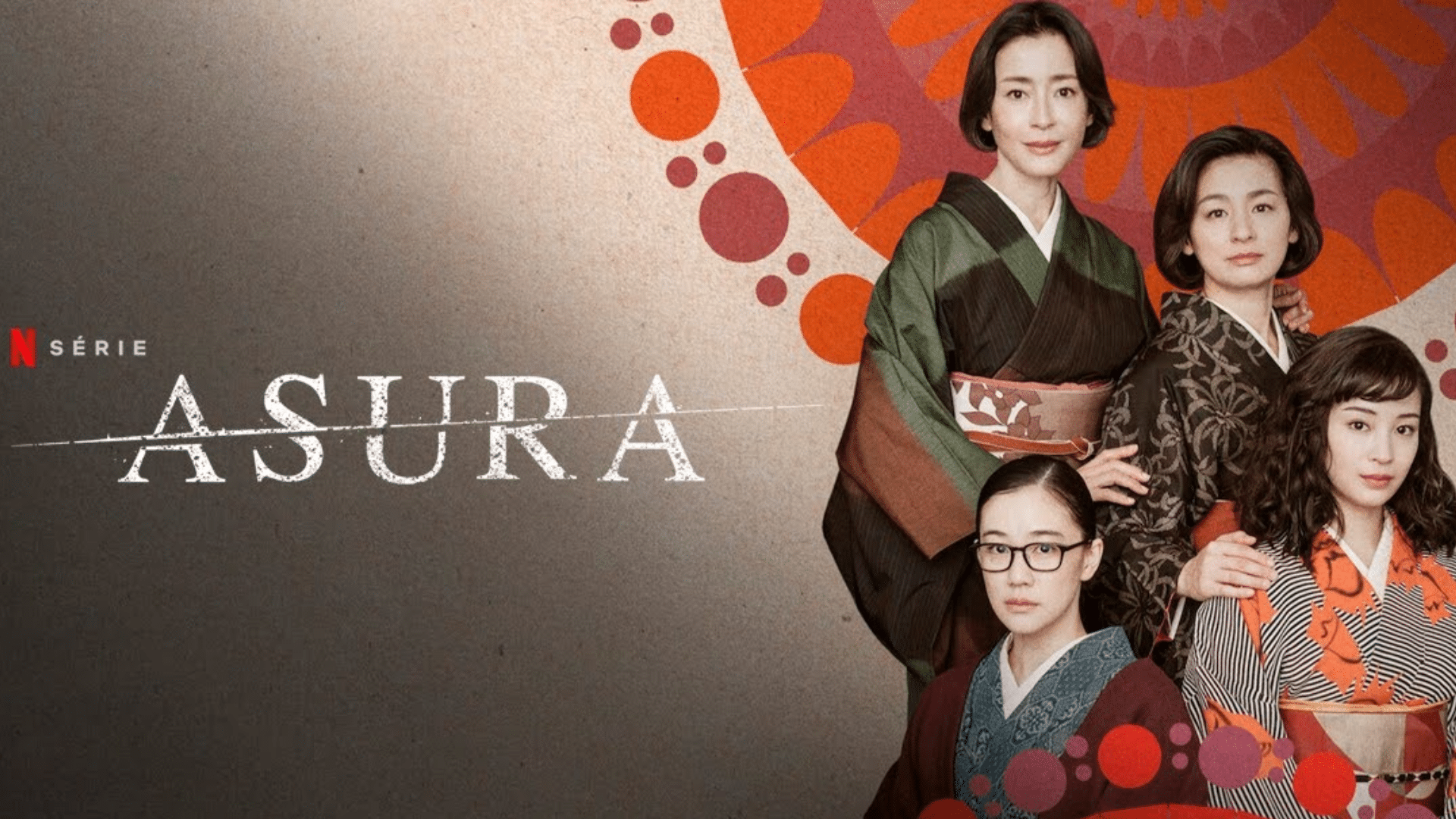
Asura: A Deep Dive into Modern Japanese Family Life
Advertisements
“Asura”, directed by the renowned Hirokazu Kore-eda, stands as yet another remarkable work by the Japanese director, showcasing his nuanced and insightful examination of familial relationships. The narrative centers on four sisters whose lives are irrevocably altered when they uncover their father’s betrayal, which serves as a catalyst for a thoughtful investigation into the foundational elements that uphold family ties.
Storytelling and Composition
Kore-eda masterfully weaves the story with his signature meticulousness, crafting each character with intricate layers that unfold gradually. The revelation of the father’s infidelity is not merely a plot twist but a springboard for exploring universal themes of trust, forgiveness, and the diverse interpretations of familial love. Each sister’s response to this revelation is unique, reflecting their individual personalities and varying life stages.
Directorial Approach and Aesthetic
The director preserves his reflective and realistic style, employing long takes and deliberate compositions that emphasize the observation of subtle gestures and poignant silences. Kore-eda’s camera acts almost like an extra family member, capturing tender moments without being intrusive. The gentle cinematography and muted color scheme contribute to an atmosphere of quiet sadness, a hallmark of the director’s films.
Key Themes
The film goes beyond its initial theme of betrayal to delve into more extensive themes regarding human nature and familial connections. The concept of loyalty is explored from various angles: between partners, between parents and children, and among siblings. Forgiveness is portrayed not as a straightforward answer but as a nuanced and personal journey. Kore-eda also subtly tackles the societal pressures in Japan surrounding family structures and the status of women in today’s world.
Acting and Character Evolution
The performances are genuine and compelling, steering clear of melodrama to embrace a heartfelt authenticity. Each sister is depicted with her own complexities and ambitions, becoming multi-dimensional characters that audiences can readily relate to. The father figure, although physically absent from the scenes, remains a persistent influence through the daughters’ responses and recollections.
Notable Aspects
The most significant achievement of “Asura” lies in its capacity to elevate an ostensibly ordinary situation into a profound meditation on the human experience. Kore-eda refrains from simplistic moral judgments, opting instead to portray the intricacies of human emotions with stark honesty. The gradual escalation of emotional tension is expertly crafted, leading to cathartic moments that feel genuine rather than contrived.
Concluding Thoughts
“Asura” reinforces Hirokazu Kore-eda’s skill in crafting family dramas that resonate on a universal level, despite their specific cultural contexts. The film serves both as an intimate glimpse into a family in turmoil and as a broader contemplation on the connections that bind and define us. It is a must-watch for fans of contemporary Japanese cinema and for anyone drawn to narratives that emphasize psychological depth over standard dramatic conventions.
The thoughtful direction, genuine performances, and sophisticated treatment of complex themes make “Asura” a remarkable addition to Kore-eda’s impressive body of work, solidifying his reputation as one of the keenest observers of the human experience in modern cinema.