
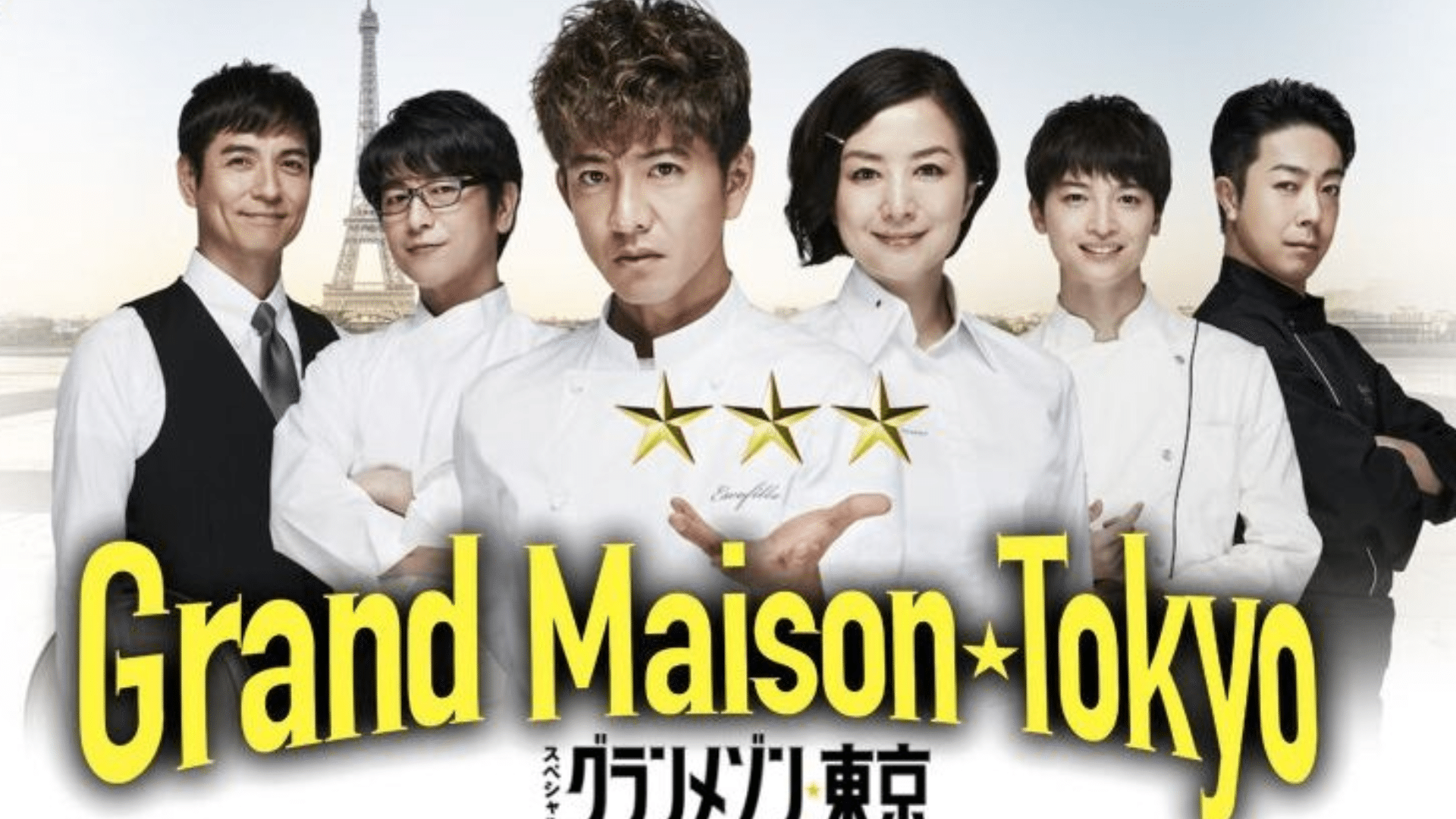
La Grande Maison Tokyo: A Special Chapter of Resilience
“La Grande Maison Tokyo: A Special Chapter of Resilience” stands out as a brilliant continuation of the highly regarded original series, presenting a narrative that resonates deeply with themes of resilience, adaptation, and the transformative nature of culinary passion in challenging times. This 2024 special not only furthers the narrative of cherished characters but also reflects the stark realities faced by the restaurant industry during and following the COVID-19 pandemic.
Advertisements
Context After the Pandemic and Its Significance
The bold choice to set the special in a post-COVID-19 environment showcases the narrative sophistication of the production, which boldly tackles intricate contemporary issues. The series poignantly and authentically examines how the pandemic wreaked havoc on the global culinary landscape, turning Michelin-starred establishments into entities fighting for survival.
Just as Rinko Hayami celebrated achieving three Michelin stars for La Grande Maison Tokyo, the COVID-19 pandemic struck the worldwide restaurant sector. Her establishment faced significant financial challenges, leading her to forge a partnership with a food service consulting firm, NEX Management, Inc., to navigate these turbulent waters.
This backdrop provides ample narrative space to delve into universal themes of adaptation, compromise, and the struggle between maintaining artistic ideals and the pragmatic needs of business survival.
Narrative Progression and Key Conflicts
The special escalates its dramatic tension around the core dilemma faced by high-end dining establishments: how to uphold excellence and artistic integrity while being compelled to make financial concessions. The partnership with NEX Management not only serves as a practical solution but also poses an existential question about the values that characterize La Grande Maison Tokyo.
The film’s tagline, “Regain the stars with our companions,” implies that the path to recovery extends beyond merely reclaiming Michelin status; it is also about rediscovering the spirit of collaboration and shared passion that originally defined the restaurant.
The introduction of new characters and dynamics, including consultants with their own agendas, introduces layers of complexity that mirror the real-life hurdles faced by the industry during the health crisis.
Cast Performances and Continuity
Takuya Kimura reprises his role as Natsuki Obana, delivering the same fervor and intensity that made his character iconic in the original series. His portrayal skillfully balances the resolute determination of a perfectionist chef with the fragility of a man confronting the potential loss of everything he has achieved.
Kyōka Suzuki, a key cast member, had taken a hiatus from acting for health reasons since May 2023, but in March 2024, it was announced that a special episode of La Grande Maison Tokyo would be released later that year, marking her return. Her comeback adds significant emotional depth to the narrative, symbolizing themes of recovery and second chances that resonate throughout the production.
Yuta Tamamori and Ayako Yoshitani, prominent figures in this drama series, make guest appearances as sous chefs and pastry chefs, providing continuity and familiarity that delights fans of the original series while allowing for further development of established characters.
Culinary Authenticity and Production Quality
Chef Shuzo Kishida from the French restaurant Quintessence in Tokyo serves as the culinary supervisor for this project, continuing from the previous installment. This continuity assures that the culinary authenticity that defined the original series is upheld, providing technical credibility that enhances the narrative.
Chef Shuzo Kishida stated, “I received an overwhelmingly positive response to my previous culinary supervision, and I hope this special TV drama revitalizes the restaurant industry, including French cuisine.” His words highlight the production’s ambition to entertain while also inspiring and supporting a recovering industry.
Tamamori expressed his nerves regarding the authenticity of the culinary scenes, emphasizing that the actors themselves perform all the real cooking scenes, which heightened the pressure and left no room for error. He noted that they recreated realistic culinary scenes during filming. This dedication to performative authenticity adds layers of realism that set this production apart from superficial representations of culinary culture.
Themes of Resilience and Professional Identity
The special delves into how external crises compel a re-evaluation of identity and purpose. The characters grapple not only with financial struggles but also with fundamental inquiries about what it means to be a chef, an entrepreneur, and an artist in a world reshaped by unforeseen challenges.
The tension between commercial viability and artistic excellence is embodied through new characters that represent various management philosophies. Kitamura commented on this role: “Akashi possesses his own sense of justice, and his approach is pragmatic, leading to a contract with La Grande Maison Tokyo. Some younger individuals might view Akashi’s efficiency-driven mindset as the correct way of thinking.”
This exploration of differing viewpoints adds moral complexity to the narrative, steering clear of simplistic judgments regarding business adaptation versus artistic integrity.
Cultural Impact and Audience Reception
According to Video Research, the program garnered a household television audience rating of 8.7% in the Kanto region, indicating significant interest from the Japanese public in the continuation of the story.
As of January 7, 2025, the film boasts a 78% approval rating on Filmarks, based on 509 reviews, with an average score of 3.9/5. Reviews were largely positive, with many praising the authentic portrayal of COVID-19’s impact on restaurants.
U-Next announced that this special drama was the most-watched Japanese television series in its category in January 2025, further solidifying its status as a cultural phenomenon and its appeal to modern audiences.
Social Relevance and Modern Commentary
Beyond mere entertainment, the special acts as a social commentary on collective resilience and adaptation amid global crises. The respectful depiction of the challenges faced by the restaurant sector offers acknowledgment and validation for professionals who encountered similar hardships during the pandemic.
The series also delves into themes of leadership under duress, ethical decision-making in extreme situations, and the significance of community and mutual support during tough times. These themes transcend the culinary context, providing insights into the universal human experience.
Narrative Continuity and Franchise Growth
The sequel to this work is the film La Grande Maison Paris, demonstrating that the special not only serves as a fulfilling conclusion but also acts as a narrative link for future franchise expansions.
This continuity enables the organic development of established characters and themes, providing fans with a cohesive narrative journey that extends beyond traditional television series boundaries.
Legacy and Cultural Importance
“La Grande Maison Tokyo: A Special Chapter of Resilience” signifies more than mere entertainment; it serves as a cultural artifact reflecting a distinct era in contemporary history, capturing both the adversities and determination of an industry and society in recovery.
The production illustrates how fictional narratives can facilitate emotional processing and provide perspective on collective traumatic events, delivering hope and inspiration through stories of endurance and renewal.
Final Thoughts
“La Grande Maison Tokyo: A Special Chapter of Resilience” succeeds as a worthy continuation of a beloved series, offering a narrative that is both personal and universal, specific in its context yet broad in its thematic implications. The production exhibits a rare narrative sophistication, tackling intricate contemporary themes with sensitivity, realism, and optimism.
For fans of the original series, the special provides gratifying closure and further development of cherished characters. For newcomers, it serves as a compelling introduction to themes of culinary passion, professional resilience, and community strength in the face of hardship.
The fusion of culinary authenticity, dedicated performances, and contemporary social relevance positions “La Grande Maison Tokyo: A Special Chapter of Resilience” as one of the standout Japanese television productions of 2024, delivering entertainment that educates, inspires, and moves in equal measure.