
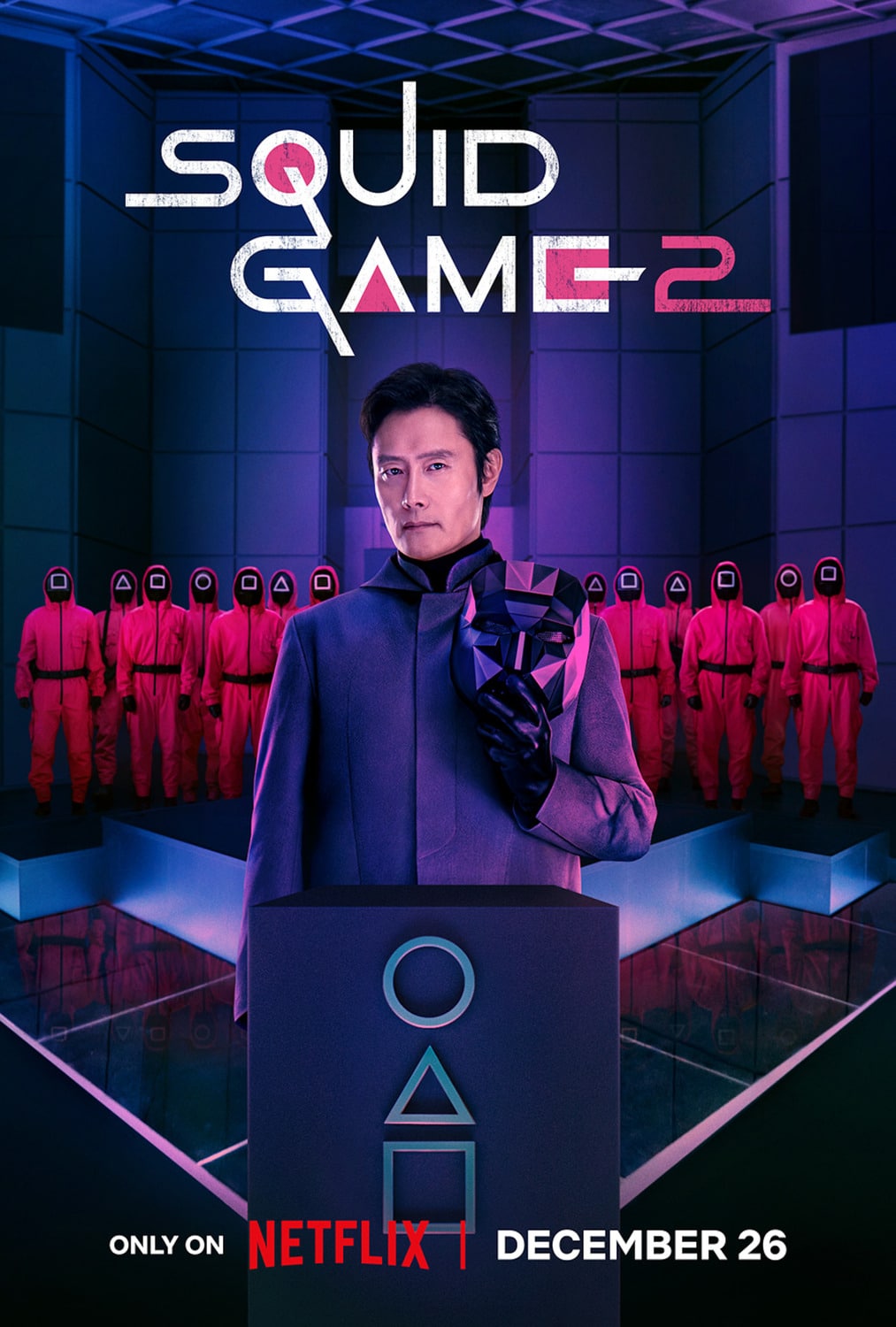
Hello, everyone! How’s it going? Today, I’m excited to share my thoughts on the series Squid Game, a groundbreaking drama that has captivated audiences globally with its raw portrayal of desperation, survival, and the more sinister aspects of human behavior.
Advertisements
Premiering on Netflix on September 17, 2021, this innovative show consists of 9 episodes in its inaugural season, each lasting around 1 hour. Directed and created by Hwang Dong-hyuk, it features a talented cast including Lee Jung-jae, Park Hae-soo, O Yeong-su, Wi Ha-joon, Jung Ho-yeon, and Heo Sung-tae, redefining the possibilities of global television.
Set against the backdrop of South Korea, this dystopian narrative follows 456 individuals burdened by debt who accept a cryptic invitation to partake in childhood games for a life-changing cash prize. What begins as seemingly harmless playground activities swiftly morphs into a lethal competition where the stakes are alarmingly high. The series expertly contrasts childlike innocence with brutal violence, resulting in a viewing experience that lingers in the mind long after the final credits.
The brilliance of the show lies in its transformation of familiar children’s games into terrifying challenges, all while offering incisive social commentary on economic disparities and the extreme measures people will resort to for survival. Each episode gradually escalates the tension, crafting a psychological thriller that delves deep into human nature as much as it explores survival.
The Narrative Unfolds
The narrative kicks off when Seong Gi-hun, a divorced father grappling with gambling debts, encounters a mysterious businessman who invites him to join a series of games. Joined by 455 other financially strained individuals, Gi-hun finds himself ensnared in a location where childhood games like “Red Light, Green Light” and “Tug of War” turn into matters of survival.
The games are monitored by masked guards and overseen by the enigmatic Front Man, creating a pervasive sense of dread and paranoia. As players face elimination in increasingly horrific manners, alliances form and dissolve, showcasing the depths of human desperation and the moral compromises individuals make when their lives are on the line. The series adeptly illustrates how dire scenarios can reveal both the noblest and basest aspects of humanity.
Character Development: The Transformation of Seong Gi-hun
Lee Jung-jae delivers a stunning performance as Seong Gi-hun (Player 456), evolving from a naive, well-intentioned gambler into a hardened survivor. His portrayal encapsulates the inner turmoil of a man compelled to make impossible decisions while striving to retain his humanity. The character’s growth throughout the series is both heart-wrenching and engaging, as we witness his struggle with the moral consequences of his choices.
Gi-hun’s journey is especially poignant as he embodies the average person caught in extraordinary situations. His connections with other players, notably his childhood friend Cho Sang-woo and the elderly Player 001, reveal various dimensions of his character and compel him to confront uncomfortable realities surrounding loyalty, trust, and survival.
The Intricate Antagonist: The Front Man and the System
While the series features multiple antagonists, the true adversary is the system itself, epitomized by the enigmatic Front Man (Lee Byung-hun). The masked organizers foster an unsettling atmosphere of surveillance and control, manipulating both hope and despair with chilling precision. The revelation of the Front Man’s identity and backstory adds depth to the narrative, illustrating how the system can corrupt even those who initially intended to resist it.
The real horror extends beyond the games themselves; it lies in the psychological manipulation and the way the organizers strip away the players’ dignity and humanity. The series skillfully examines how institutional power can corrupt and how desperation can lead individuals to forsake their moral principles.
The Climactic Challenge
The series reaches its peak during the climactic showdown between Gi-hun and his childhood friend Sang-woo in the final game. This emotionally charged sequence compels viewers to confront the harsh realities of survival and the true cost of victory. The marble game episode, in particular, is a standout, masterfully balancing tension and emotional manipulation, where friendships are tested and shattered in the most heartrending manner.
The concluding episodes not only tie up the loose ends of the games but also delve into the psychological fallout of survival. Gi-hun’s triumph comes at such a staggering cost that it raises profound questions about the value of winning, crafting a haunting reflection on the essence of success and survival.
Achieving Greatness on Netflix
Squid Game emerged as a worldwide sensation, shattering numerous Netflix records and becoming the platform’s most-viewed series. Its success transcended cultural divides, igniting discussions on inequality, capitalism, and social justice on a global scale. With its innovative storytelling and unflinching exploration of human nature, Squid Game has demonstrated that Korean content can reach unprecedented international acclaim while retaining its cultural authenticity and social significance.
If you’re a fan of psychological thrillers that challenge your perceptions and provoke thoughts on human nature, Squid Game is a must-watch series on Netflix. This isn’t merely entertainment; it’s a cultural landmark that deserves to be experienced and debated.
A masterful fusion of childhood nostalgia and adult terror that unveils the darkest aspects of human desperation while delivering one of the most captivating television experiences of the decade.
Series Overview:
Episode Count: 9 (Season 1), with Seasons 2 and 3 completed
Streaming Service: Netflix
Rating: 8.0/10 (IMDb)
Category: Survival Thriller, Psychological Drama, Social Commentary
Key Characters: Lee Jung-jae as Seong Gi-hun, Park Hae-soo as Cho Sang-woo, O Yeong-su as Player 001
Antagonist: The Front Man (Lee Byung-hun) and the systemic oppression of the games